How to Start an Organic Vegetable Garden — Every Tool I Use, Linked
The garden behind this house started as a patch of compacted clay and wishful thinking. Learning how to start an organic vegetable garden the right way — raised beds, the right soil blend, organic fertilizers — changed everything. The cherry tomatoes taste different. The yields are bigger. The pest problem that leveled my first season never came back.
This is the full source list for the Wild Sage kitchen garden. Every product below is something I use or have tested. The notes are honest.
Step 1 — Build the Right Foundation: The Raised Bed
Skip the in-ground bed if you're starting from scratch. Raised beds give you control over your soil, drain better, warm up faster in spring, and keep grass and weeds from creeping in. When you set one up, clear the grass underneath, lay cardboard flat on the ground first (it suppresses weeds and breaks down over time), then dig a shallow trench around the perimeter to anchor the frame.
My raised bed — durable, safe materials, the one I'd buy again
Honest Notes — The Bed
- Pro: Sturdy construction, no harmful materials, holds up through multiple seasons
- Pro: Straightforward assembly — no tools you don't already own
- Do this first: Cardboard on the bottom, trench around the outside. Don't skip either step.
Step 2 — Fill It Right: The Soil Blend
This is where most beginners underinvest and then wonder why things won't grow. Garden beds need actual raised bed soil mix — not topsoil, not potting mix, not whatever was already in your yard. You'll need more bags than you think. Budget for it or look into local bulk delivery services, which are often cheaper for large beds.
Raised bed soil blend — what fills the beds
Honest Notes — The Soil
- Pro: Proper drainage and aeration that in-ground soil can't give you
- Note: Order more than you think you need. You can always use the extra elsewhere.
- Alternative: Local landscape suppliers often deliver bulk cubic yards — worth pricing out for multiple beds.
Step 3 — Feed It: Organic Fertilizers
Organic gardening means feeding the soil, not just the plant. Two products do the heavy lifting in my garden.
The Everyday Fertilizer
Worm castings are the most versatile organic fertilizer I've found. They go in at planting, they go in as a side dressing mid-season, and they never burn roots the way synthetic fertilizers can. This is the one I keep stocked at all times.
Worm Castings Fertilizer — my year-round organic standby
The Luxury Upgrade
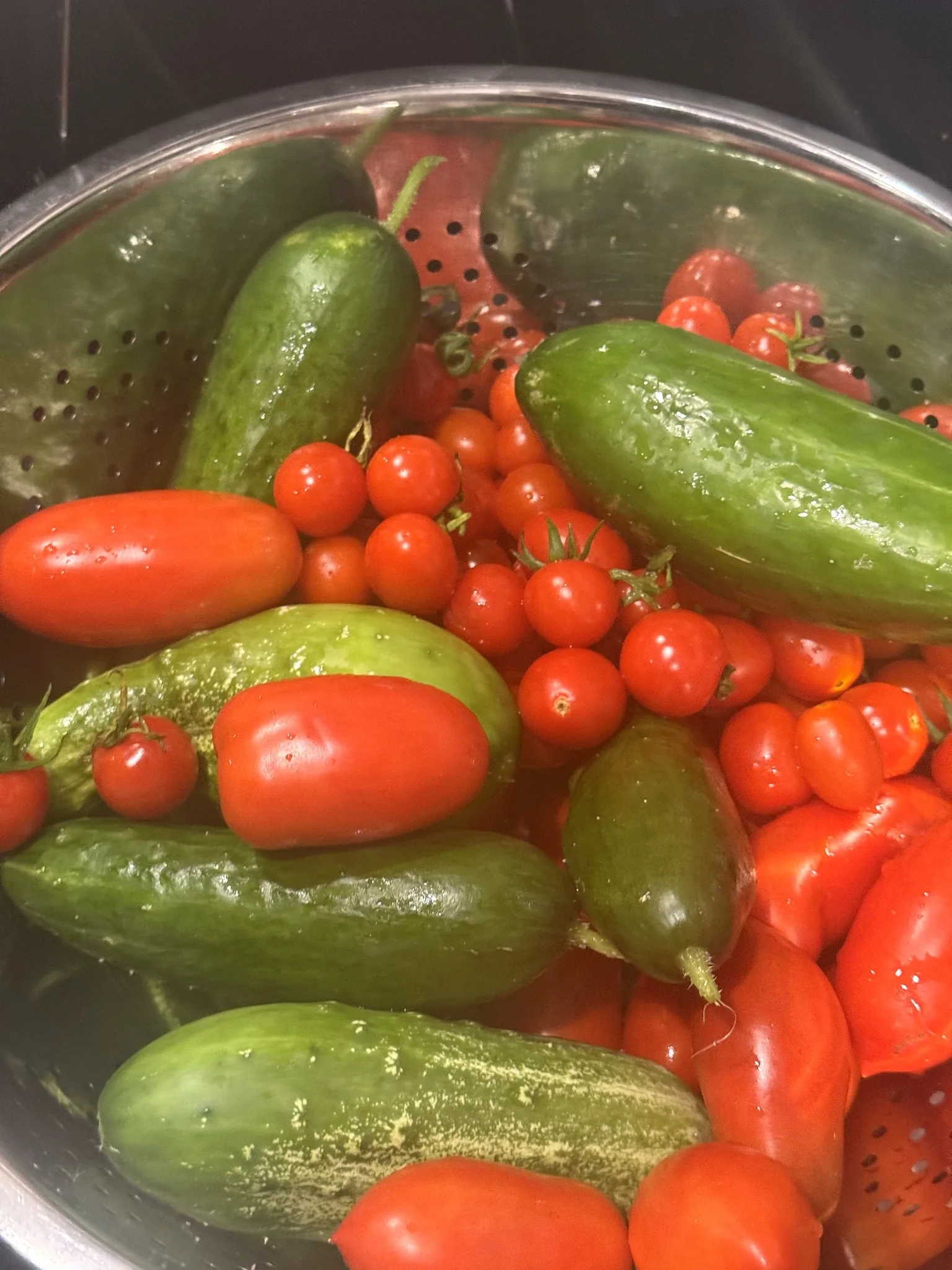
This one is optional, but I noticed a real difference the season I started using it. My cherry tomatoes were measurably sweeter. That's not a marketing claim — I kept notes, which is why I can say it with any confidence. If you want to splurge on one thing in the garden, this is the one.
Organic Compost — the luxury fertilizer worth trying
Want the garden plan?
Drop your email and I'll send you the free 15-Minute Party Plan — and you'll be first to get the Wild Sage planting guide when it's ready.
Step 4 — Water Without Thinking: The Growya System
You do not need a complex drip irrigation setup to water an organic garden well. The Growya clay pot system is the most elegant solution I've found for raised beds. You fill these unglazed clay pots and bury them in the soil near your plants. Plant roots are drawn toward the moisture and feed from them directly. You water the pots, not the leaves — which is better for plant health and much harder to over or under do.
The first three weeks of any new planting, water daily until roots establish. After that, the Growya pots take over. I keep a set in the garden shed year-round.
Growya clay irrigation pots — the system that replaced my watering can
Honest Notes — Irrigation
- Pro: No timers, no hoses, no complicated setup
- Pro: Roots seek out the moisture on their own — genuinely a smarter way to water
- Note: Daily hand-watering for the first 3 weeks is still required while roots establish
Step 5 — Pest Control the Organic Way
Organic gardens attract bugs. That's the trade-off and it's worth it. The tool that keeps pest pressure manageable without chemicals is insecticidal soap. Spray it directly on leaves and stems when you first see pest activity. Reapply after rain. It handles aphids, spider mites, and whitefly without disrupting the beneficial insects that keep your garden in balance.
Organic Insecticidal Soap — first line of defense
Honest Notes — Pest Control
- Pro: Safe for edible plants, safe around kids and pets once dry
- Pro: Works on contact — you'll see results within 24 hours
- Note: Spray in the evening, not full sun. Morning or dusk application prevents leaf scorch.
The Tools Worth Having
The Garden Smock
This sounds like a nice-to-have. It isn't. A good garden smock with pockets means your phone, your shears, your gloves, and a small container of fertilizer all come with you in one trip. I garden more often and more efficiently because everything I need is already on me when I walk out the door.
Garden Smock with pockets — more useful than it sounds
The Harvest Basket
It holds more than it looks like it should. It is also the one I photograph every harvest in because it makes even a modest yield look like something. Form and function in one purchase.
Harvest Basket — the one in every garden photo
The Trellis
If you're growing tomatoes, cucumbers, pole beans, or any climbing plant, you need vertical structure. This trellis is worth the time it takes to put together. Once it's up, it stays up. The white version is the one most often in stock.
Garden Trellis — build it once, use it every season
The Garden Journal
I know what the organic compost did to my tomatoes because I wrote it down. Garden memory is unreliable. What worked last year, what failed, what the aphid pressure looked like in June — none of it sticks without a record. This is the journal I use to track methods, yields, and anything worth repeating.
Garden Journal — for the notes that actually matter
One More: Seeds
You won't need these until spring, but it's worth having an organic seed collection you trust before the season starts. This starter pack covers the basics and everything in it is certified organic.
Organic Seed Starter Pack — worth having before spring
Ready to keep the beds going past summer? The fall gardening 101 guide covers what to plant next, the frost date math, and how to rotate out of your summer crops. The same attention I put into party planning goes into the garden — if you haven't seen the sage safari party or the balloon garland guide, those are a good place to start for how this site works.