Fall Gardening 101 — What to Plant, When, and Why Fall Is Worth Starting Now
Fall gardening 101 starts with one honest admission: most people wait too long. By the time summer winds down and the beds look tired, the window for a productive fall garden is already closing. In Zone 6b Michigan, where this garden lives, that window opens in mid-July and runs through mid-August for the best cool-season crops. You have to be thinking about fall while you are still harvesting tomatoes.
The good news is that fall is the better season in almost every way. Fewer pests. Sweeter flavor. Less weeding. And a legitimate reason to be outside on a crisp October morning, harvesting carrots that frosted overnight and taste like candy for it.
This is what fall gardening looks like at Wild Sage House — the timing, the crops, the bed rotation, and the tools that make it easier.
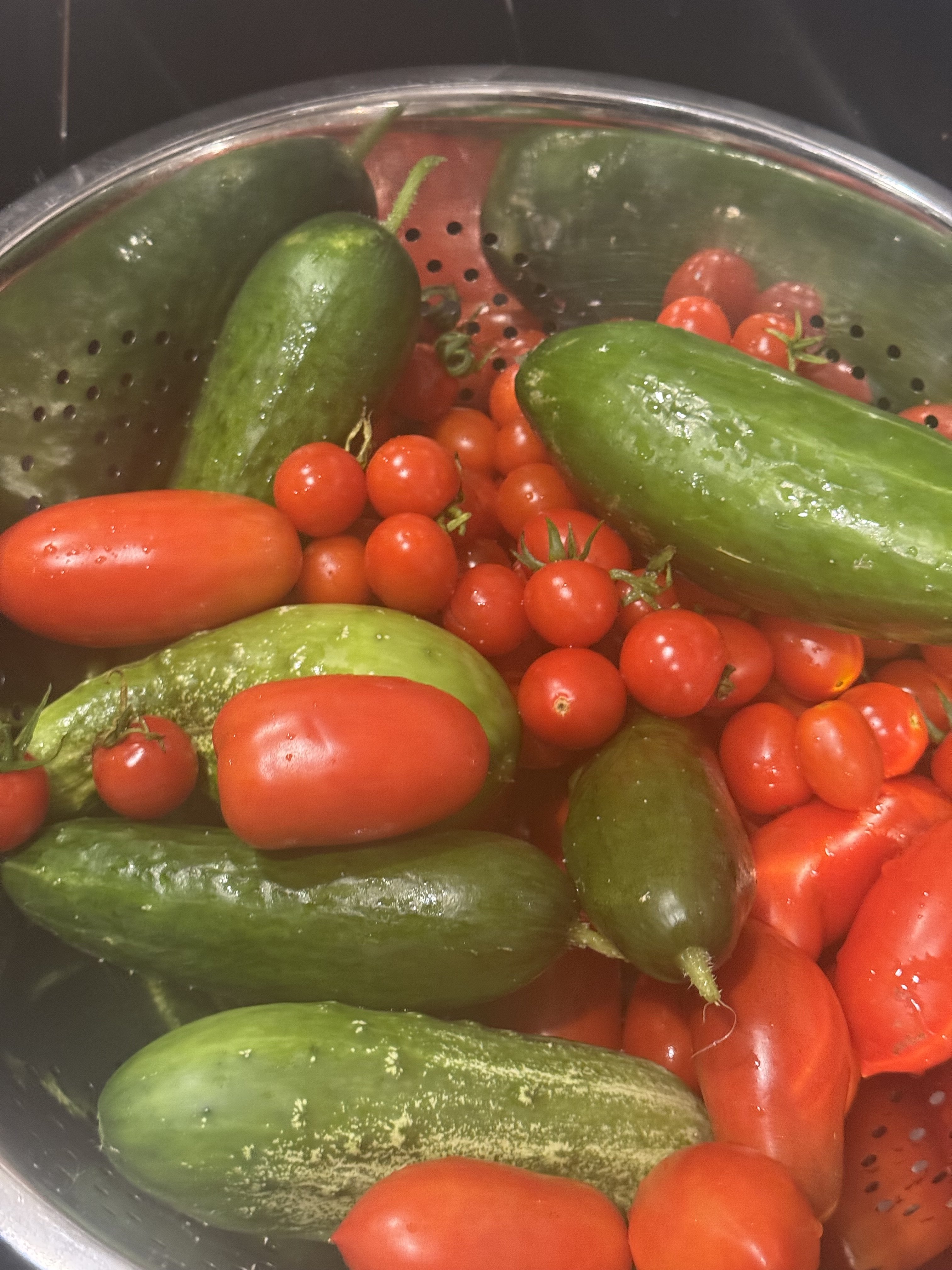
Why Fall Gardening Is Worth the Extra Planning
The pest pressure drops significantly in late summer. Squash bugs, aphids, tomato hornworms — most of them complete their life cycle and return to the soil by August. A fall crop of broccoli or kale planted in late July skips the worst of it. You do the same work, with less grief.
Flavor also improves in cool weather. Carrots and kale both sweeten after a frost — the plant converts starches to sugars as a defense against the cold. A carrot pulled in October after a hard frost is not the same vegetable as the one you ate in June. It's better.
Finally, fall is when you plant garlic. It goes in the ground around the first fall frost and stays there until the following July. There is no crop with a better return on the actual effort spent. You push a clove into the ground in October and pull a head of garlic in summer. Plant it in fall or you won't have it at all.
The Timing Math — How to Count Back from Your Frost Date
Every fall planting decision starts from your average first frost date. In Zone 6b Michigan, that's around October 15. Look up yours at the Farmers' Almanac frost date tool if you don't know it.
From there, the math is straightforward. Find the "days to maturity" on your seed packet. Add 14 days — this is called the fall factor, and it accounts for the fact that shorter, cooler days slow plant growth compared to spring. Count backward from your frost date by that total number. That's your last safe planting date for that crop.
Broccoli takes 60 days to maturity. Add 14 for the fall factor: 74 days. Count back 74 days from October 15 and you get around August 2. Plant your broccoli starts by the first week of August or accept a smaller harvest. Kale is more forgiving at around 60 days — plant it as seed or starts through mid-August. Arugula at 40 days gives you more flexibility. Garlic ignores all of this and just goes in around the first frost.
Step One: Rotate Out of Your Summer Crops
Before anything goes in the ground, something has to come out. Summer crops — tomatoes, cucumbers, zucchini, beans — have been pulling nutrients from the same soil for months. Leaving them in place and planting cool-season crops on top is a recipe for a struggling fall garden.
Crop rotation matters for two reasons. First, different plant families deplete different nutrients. Moving families around the bed gives the soil a chance to recover. Second, some soil pests and diseases overwinter in the root zone of the plants they came from. Moving crops breaks that cycle.
The basic rule: don't plant the same plant family in the same bed two seasons in a row. Tomatoes and peppers are nightshades. Broccoli and kale are brassicas. Beans and peas are legumes. Rotate by family and your beds stay healthier year over year.
Pull the spent summer crops, cut them to the soil line if roots are still intact, and clear the bed completely before you prep it for fall planting.
Step Two: Reset the Soil
A season of summer growing pulls nutrition out of even a well-built bed. Before fall planting, add a few inches of compost and work in worm castings as a side dressing. This does not need to be complicated — compost on top, castings mixed in lightly, and a good watering to bring the soil temperature down slightly before seeds go in.
If you are starting a bed from scratch or doing a full refresh, the soil blend and fertilizers I use are all linked in the organic garden source list. The raised bed soil blend, worm castings, and organic compost are the three products that made the biggest difference in this garden. The source list has honest notes on all of them.
What to Plant — The Fall Garden Crop List
These are the crops that perform well in Zone 6b and similar climates (5b-7b). Adjust timing by zone — warmer zones have a longer window, colder zones need to start earlier.
Plant Now (mid-July through mid-August, Zone 6b)
- Kale — 60 days, direct seed or starts. Sweetens after frost. One of the most reliable fall crops in this climate.
- Arugula — 40 days, direct seed. Fast, forgiving, and excellent for fall salads. Reseed it every two weeks for a continuous cut.
- Broccoli — 60 days from transplants. Start indoors or buy starts. Direct seeding works but timing gets tight in Zone 6b. Worth doing.
- Collard greens — 60-80 days, but good as a baby green much sooner. Cold-hardy and one of the last things standing when everything else has given up.
- Carrots — 70-80 days. Direct seed only. Keep them consistently moist until germination, then thin to 3 inches apart. Harvest after a frost for peak sweetness.
- Spinach — 40-50 days. Direct seed or starts. Spinach overwintered with some protection will come back in late winter for an early spring harvest.
Plant in Fall (at or just before first frost, Zone 6b)
- Garlic — Goes in around the first fall frost. Each clove becomes a full head by the following summer. It is the easiest and most rewarding crop in this garden. Do not skip it.
- Onion sets — Plant in fall for an early summer harvest. They overwinter quietly and are among the first things to break ground in spring.
Consider for a Cold Frame or Greenhouse Extension
- Lettuce — Not cold-hardy enough to survive a hard freeze unprotected, but thrives under a cold frame or inside a greenhouse through late fall.
- Herbs (parsley, cilantro) — Bolt in summer heat. Plant these in fall for the best results. Cilantro especially comes back into its own when temperatures drop.
Want the fall bed plan?
Drop your email and you'll be first to get the Wild Sage fall garden planting guide when it's ready — plus the free 15-Minute Party Plan in the meantime.
The Wild Sage Fall Bed Plan
This is the two-bed layout for the fall and early winter season at Wild Sage House. Zone 6b, Michigan. Adjusted for what actually produced well in this specific garden over multiple seasons.
Zone 6b Michigan · Frost date approx. October 15 · Adjust timing by 1–2 weeks per zone
The Tools Worth Having for Fall
A Garden Tool Set That Stays in One Place
I spent years losing individual tools to the back of the shed. A matched set with a carry bag keeps everything together and means one trip from the house to the bed. This is the set I'd buy if I were starting over — rust-resistant steel and wooden handles that actually hold up through seasons of real use.
Heavy Duty Garden Tool Set with Carry Bag
Pruning Shears
Fall cleanup is where good pruning shears earn their keep. Cutting back spent summer crops, trimming dead growth, harvesting broccoli side shoots — none of it is pleasant with dull or cheap shears. These are the ones worth keeping sharp.
Pruning Shears — the pair worth sharpening
A Harvest Basket
The woven willow basket in every garden photo here is not just for aesthetics. A basket with ventilation lets produce breathe on the way in from the beds. It also photographs well, which matters when the harvest is the whole point of the season.
Natural Woven Willow Harvest Basket
A Greenhouse for Extending the Season
This is the long game item. A well-built cedar greenhouse adds 4 to 6 weeks of growing season on each end — starting seeds earlier in spring and keeping greens and herbs producing well into November. The EverBloom cedar greenhouse with built-in shelving and ventilation is the one worth considering if you're ready to make that investment. It holds up to Michigan winters.
Honest Notes — The Greenhouse
- Pro: Extra-tall design (8') gives you real vertical growing space, not just a low cold frame
- Pro: Built-in shelving and power strip means it's actually functional, not just a frame
- Con: This is an investment. Buy it once you know you'll use it every season — not before.
- Note: Cedar weathers beautifully. It does not need to be painted or treated to hold up outdoors.
Modern Shade EverBloom Cedar Greenhouse 6.5'×12'
One More Thing: Frost Cloth Is Not Optional
In Zone 6b, the first frost often comes earlier than the forecast suggests and harder than expected. Frost cloth over your broccoli and kale buys you two to three extra weeks of harvest. It is cheap insurance for a lot of growing time. I keep several lengths of it in the shed through October. The frost cloth I use is in the garden source list, linked alongside the rest of the bed essentials.
If you're building your garden from scratch or filling a new bed this fall, the organic garden source list covers the raised bed, soil blend, and fertilizers — everything that goes in before the plants do. And if this house's other obsession is any indication, the garden page is where this all lives.